Martyn’s Law Is Coming: Is Your Business Ready?
Martyn’s Law was introduced by the UK Government following years of campaigning by Figen Murray, whose son, Martyn Hett, was tragically killed in the Manchester Arena attack in 2017. The proposed legislation—formally known as the Terrorism (Protection of Premises) Act—was developed to strengthen security measures across public venues and ensure organisations are better prepared to respond to potential terrorist threats. It was passed by Parliament in 2025, marking a significant step forward in improving public safety and placing a clear responsibility on businesses to assess risks and protect the people who use their premises.
Martyn’s Law: What It Means for Your Business
Executive Summary
Martyn’s Law—formally known as the Terrorism (Protection of Premises) Act 2025—has been introduced to improve protective security and organisational preparedness across public premises and events in the UK.
As of April 2026, the Act has received Royal Assent and official guidance has been published. While the legal duties are not yet fully in force, businesses are expected to begin preparing now, with full regulatory oversight anticipated by 2027.
For organisations and security providers, Martyn’s Law is not just about compliance, it represents a shift towards higher operational standards. Clients increasingly expect robust planning, trained staff, clear procedures, and proportionate security measures in environments where the public gather.
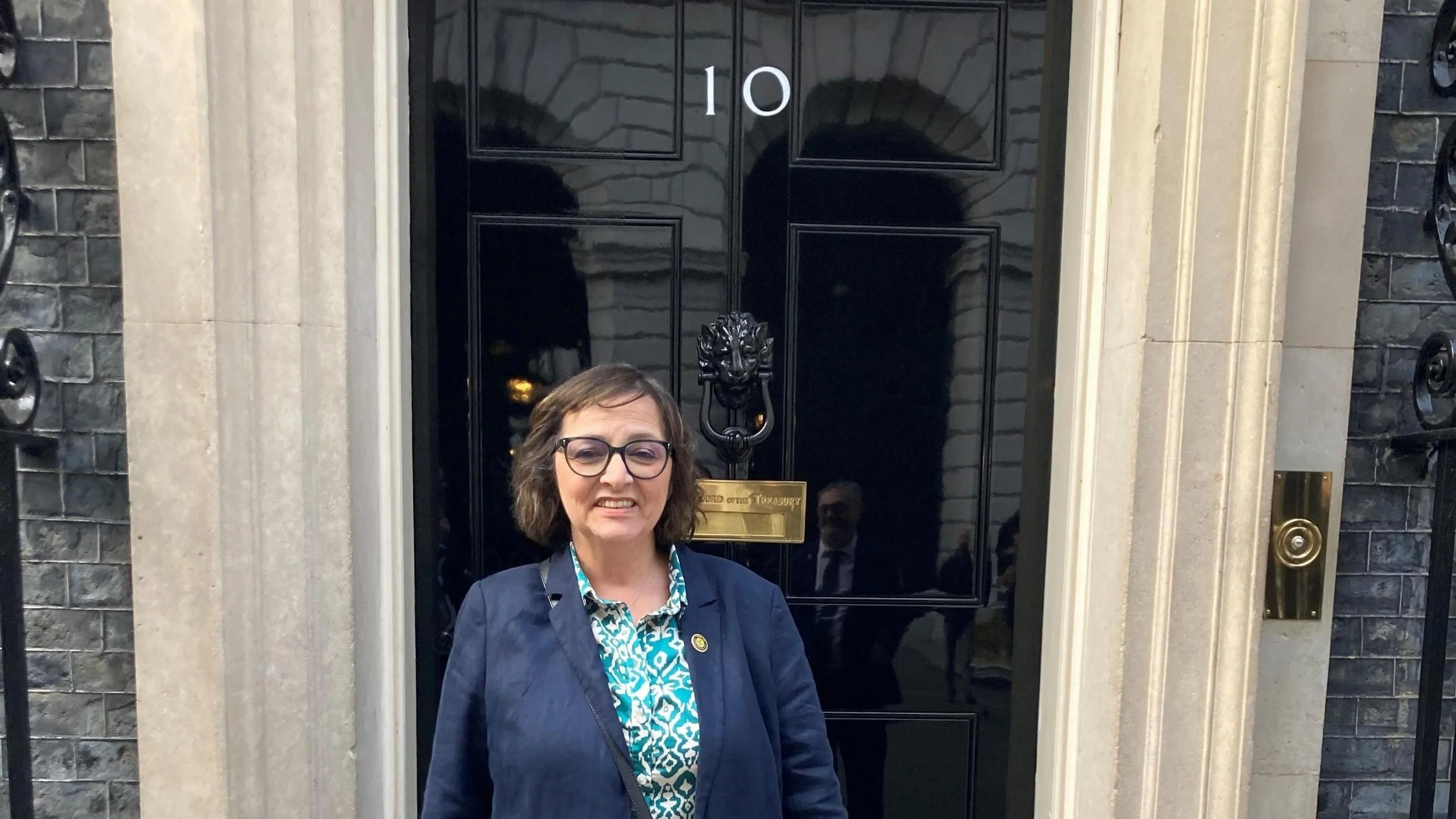
Figen Murray, campaigner behind Martyn’s Law. Image credit: BBC News.
Why the Law Was Introduced
The legislation was driven by the 2017 Manchester Arena attack and the ongoing threat of terrorism to public spaces. It also follows sustained campaigning by Figen Murray in memory of her son, Martyn Hett.
Investigations into the attack highlighted missed opportunities to identify risks and a lack of legal duty for venues to prepare for such threats. Martyn’s Law aims to address these gaps by ensuring organisations take reasonable, practical steps to protect the public.
The goal is not to eliminate all risk—that is unrealistic—but to ensure businesses are better prepared, more consistent, and capable of reducing harm should an incident occur.
Why Security in Crowded Places Matters
Crowded places continue to be identified as key targets for terrorist activity due to their accessibility and the potential for mass impact. Security experts note that modern attacks are often fast-moving and low-tech in nature, placing significant responsibility on frontline personnel who are frequently the first to respond.
Frontline roles typically include security officers, event stewards, venue staff, and control room operators. These individuals play a critical role in identifying threats, managing incidents, and supporting public safety measures in real time.
Common vulnerabilities in crowded environments include entrances and exits, queuing systems, public foyers, smoking areas, and vehicle access points. As a result, security provision is increasingly viewed not only as a visible reassurance but as an essential component of public protection strategy.

Martyn’s Law. Image credit: BBC News.
What the Law Requires
Martyn’s Law introduces a tiered approach to security obligations based on the number of individuals reasonably expected to be present at a premises or event.
Under the Standard Duty tier (200–799 people)Martyn’s Law Standard Tier (200–799 Capacity) – Duties, Checklist & Training organisations are required to notify the regulator, implement proportionate public protection procedures, and ensure relevant staff are familiar with evacuation, invacuation, lockdown, and communication protocols.
Under the Enhanced Duty tier (800 or more people)Martyn’s Law Enhanced Tier (800+ Premises & Events) – Measures, Plan & Evidence additional requirements apply. These include the implementation of further protective security measures such as CCTV, searches, and access control systems, alongside documented risk assessments and ongoing compliance monitoring.
A central principle of the legislation is “reasonably practicable,” meaning that security measures must be proportionate to the specific risks, size, and operational context of each premises or event.

Martyn’s Law. Image credit: BBC News.
The Role of the Regulator
The Security Industry Authority (SIA) has been designated as the regulator responsible for overseeing compliance with Martyn’s Law. Its role will include issuing guidance, conducting inspections, and enforcing the requirements set out in the legislation.
Further details on the regulator’s responsibilities can be found via the official government guidance: Martyn's Law and the SIA's role as regulator - GOV.UK
Non-compliance may result in significant penalties, particularly for larger organisations. In the most serious cases, fines may reach up to £18 million or 5% of global annual turnover, reflecting the importance placed on effective security and preparedness.
What This Means for Businesses
Although full enforcement is not yet in effect, industry expectations are already shifting. Organisations are increasingly being encouraged to take proactive steps, including reviewing existing security procedures, delivering staff training, identifying vulnerabilities, and developing clear operational response plans.
Security is now widely regarded as both a legal and operational requirement rather than a discretionary measure.
The Importance of Staff Awareness
A key principle of Martyn’s Law is that security procedures must be understood and operationally effective, not simply documented.
Staff are expected to be able to recognise suspicious behaviour and potential hostile reconnaissance, respond appropriately during incidents, and communicate effectively with both the public and emergency services.
Experts emphasise that preparedness at operational level can have a direct impact on outcomes during critical incidents.
Final Thoughts
Martyn’s Law represents a significant development in the UK’s approach to counter-terrorism preparedness in public spaces. It reinforces the importance of planning, vigilance, and accountability across all sectors where members of the public gather.
For businesses and venue operators, the message is increasingly clear: proactive preparedness is no longer optional, but an essential part of modern operational responsibility.
— Alpha J Security Marketing Team

Martyn Hakan Hett (1987–2017)
Remembered with respect and honour.
His legacy continues to shape a safer future for public spaces across the UK.